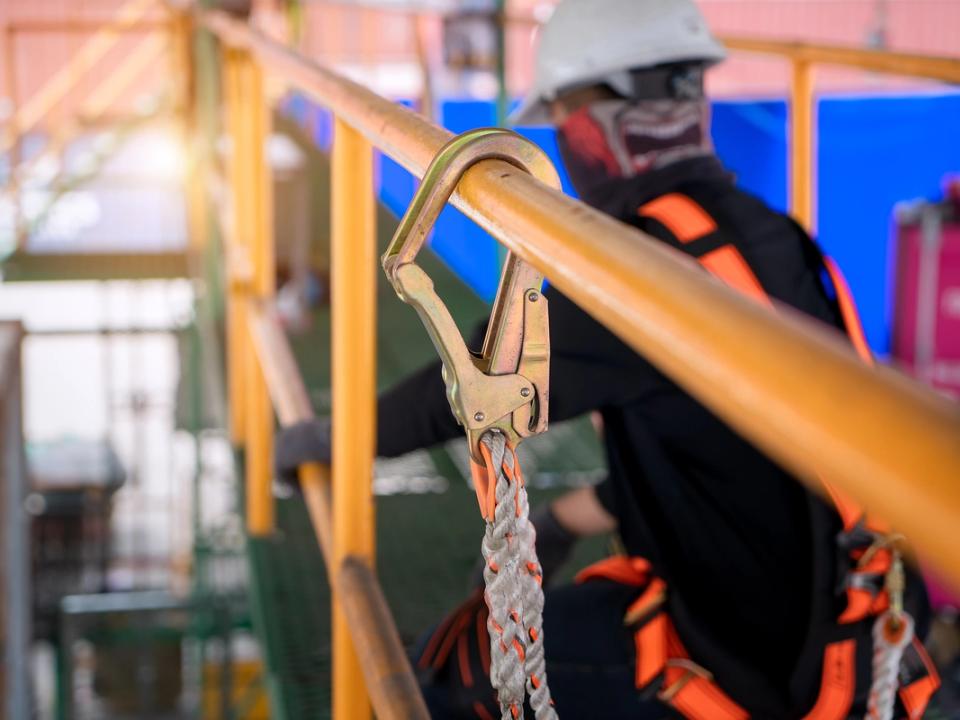


Working at Heights Training
Training that helps people stay safe when working at height through the effective use of equipment, controls, and safe work practices.
When it comes to working at height, assumptions such as "she'll be right" or "I've done this a hundred times before" can lead people to overlook or underestimate the risks. This can have serious consequences, with falls from height remaining a leading cause of workplace injuries and fatalities in New Zealand. IMPAC's Working at Heights courses develop the skills and knowledge needed to work safely at height.

IMPAC Training
Category overview
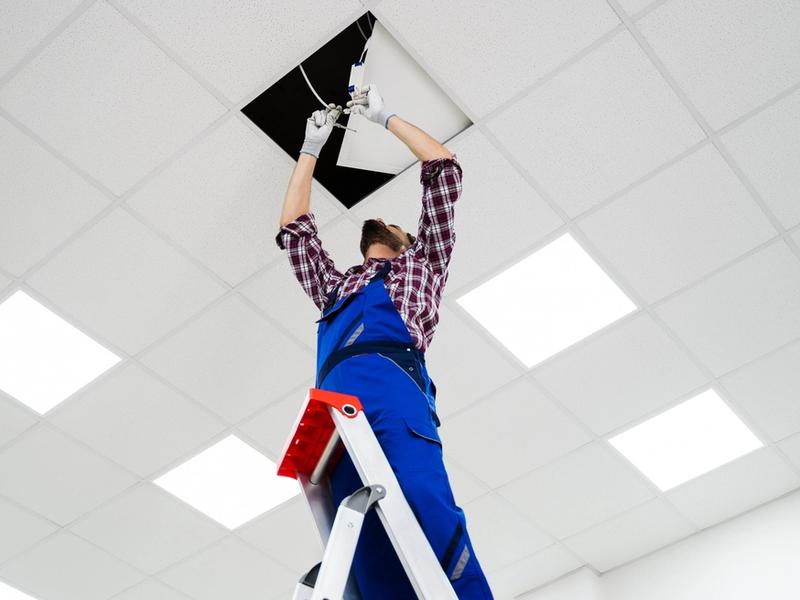
A fall from one metre can have just as devastating an impact on a worker and their family as a fall from twenty metres. When carrying out work on a ladder, roof, or other elevated work area, overlooking hazards, skipping equipment checks, or taking shortcuts can have significant consequences.
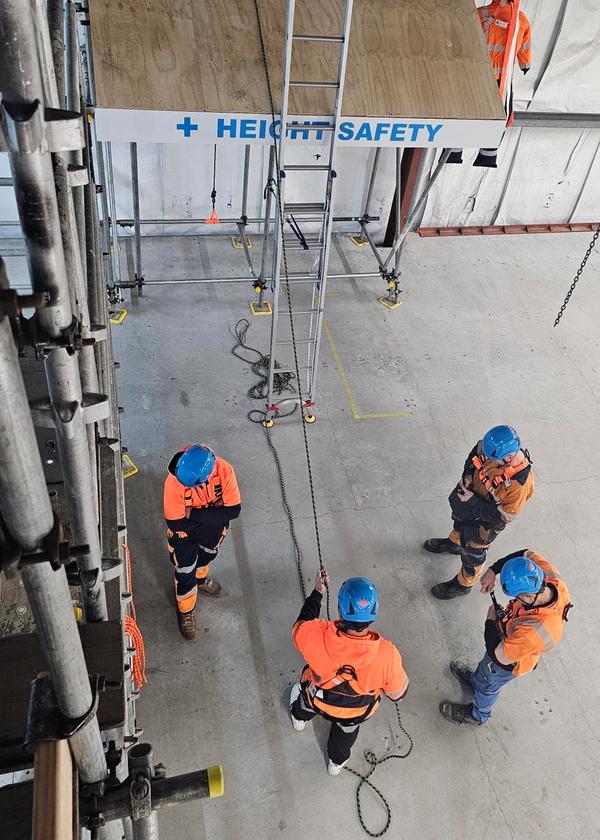
Delivered by industry-experienced trainers, IMPAC's Working at Heights courses focus on building practical capability rather than simply meeting a compliance requirement. Through hands-on learning and real-world examples, learners gain skills that can be applied directly to the work they carry out every day.
Whether you are carrying out work at height every day, issuing permits, or supervising and planning work, IMPAC's courses help people develop the practical skills needed to work safely at height and return home safely at the end of the day.
Key Focus Areas
What this training covers
Risk Management
Recognising fall hazards, assessing risks, and identifying the controls needed to support safe work at height.
Equipment Inspection and Use
Inspecting, fitting, using, and maintaining height safety equipment so it remains fit for purpose and supports safe work at height.
Height Safety Systems and Controls
Understanding how height safety systems, anchor points, and other controls are used to manage fall risks and support safe work at height.
Emergency Planning and Response
Planning for emergencies, understanding rescue considerations, and responding appropriately when things do not go as planned.

Available Courses
Our Working at Heights courses
Working with New Zealand's legal framework
Applicable Safety Regulations and Standards
Working at height includes understanding relevant legislation, standards, and guidance. Relevant legislation and guidance may include:
- Health and Safety at Work Act 2015 (HSWA) — The primary health and safety legislation in New Zealand, requiring PCBUs to identify and manage risks to health and safety so far as is reasonably practicable.
- Health and Safety at Work (General Risk and Workplace Management) Regulations 2016 — Regulations that support the management of workplace risks, including requirements relating to fall hazards, control measures, and safe work practices.
- Health and Safety in Employment Regulations 1995 — Regulations that continue to contain requirements relating to notifiable work, including certain work carried out at height.
- AS/NZS 1891 — Australian and New Zealand standards that provide requirements and guidance for the selection, use, inspection, and maintenance of industrial fall-arrest systems and equipment.
- AS/NZS 5532:2013 — An Australian and New Zealand standard that provides requirements for the manufacture, testing, and certification of single-point anchor devices used for fall protection.
- AS/NZS 1576 — Australian and New Zealand standards that provide requirements for the design, manufacture, and safe use of scaffolding systems.
- WorkSafe New Zealand Guidance — Guidance documents that provide practical information and good practice expectations for managing fall hazards, selecting controls, and carrying out work safely at height.
NZQA Unit Standards
Several courses within this category include NZQA unit standards, including:
- US 15757 — Use, install and disestablish proprietary height safety systems when working at height
- US 17600 — Explain safe work practices for working at heights
- US 23229 — Use safety harness system when working at height
- US 25045 — Employ height safety equipment in the workplace
Who Should Enrol
Industries and Roles
Construction and Specialist Trades
People working in industries where work at height forms a regular part of the job, including roofing, scaffolding, electrical work, construction, and specialist trades.
Workers
People who carry out work at height and need the skills and knowledge to identify hazards, use equipment correctly, and work safely in elevated environments.
Supervisors and Team Leaders
People responsible for planning, coordinating, and overseeing work at height, including ensuring appropriate controls and safe work practices are in place.
Permit Issuers and Safety Professionals
People responsible for authorising, supporting, monitoring, or advising on work at height who need an understanding of the risks, controls, and requirements associated with elevated work.
FAQs
Frequently asked questions