Hazardous Substances Training in NZ
Practical hazardous substances training that helps people understand the risks, apply the right controls, and respond confidently to incidents.
Hazardous substances are used in many workplaces, but people don't always understand the risks they present or the controls needed to manage them safely. IMPAC's hazardous substances training provides practical skills in hazardous substance awareness, safe handling and storage, workplace controls, and spill response.

IMPAC Training
Category overview
Having a Safety Data Sheet on file is not the same as understanding the risks associated with a hazardous substance. Effective training moves beyond simply ticking a compliance box and helps workers recognise hazards, apply workplace controls, and respond appropriately when something goes wrong.
Our experienced trainers use realistic examples, practical demonstrations, and workplace scenarios to help learners build confidence working with and around hazardous substances.
Whether you handle hazardous substances directly, work in areas where they are present, or may be required to respond to a spill or release, our courses help you build the knowledge, confidence, and practical skills needed to work safely and make informed decisions.
Key Focus Areas
What this training covers
Safe Handling, Storage and Classification
Understand what makes a substance hazardous, interpret safety information, and apply safe handling, storage, and disposal practices in the workplace.
Proximity Awareness for General Staff
Recognise hazardous substance risks in your work environment, understand the controls in place, and know how to respond if an incident occurs.
Spill Management and Containment
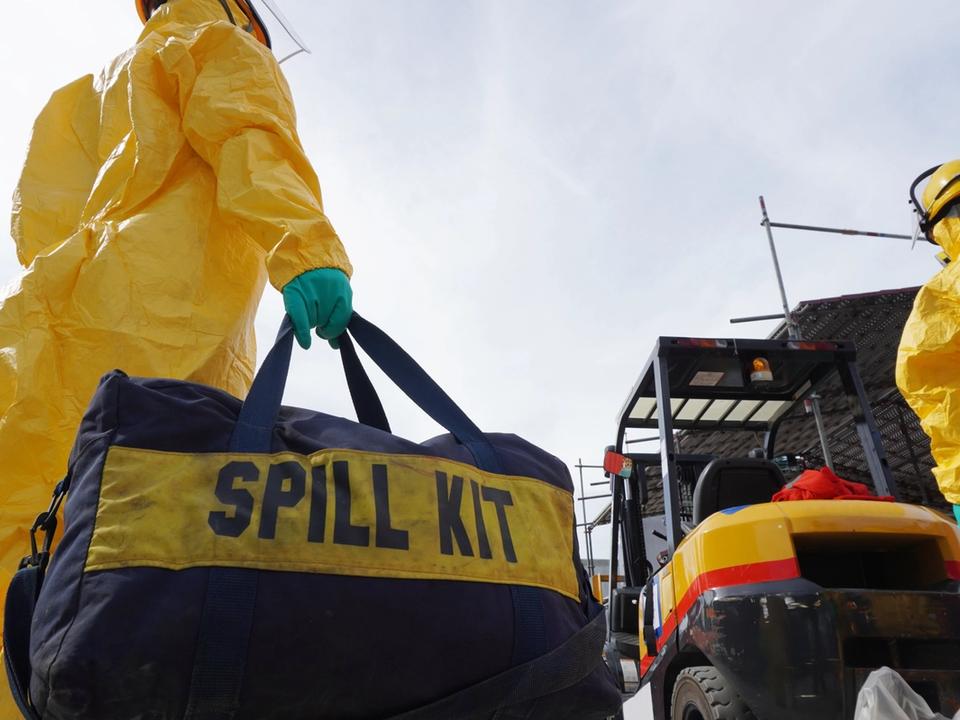
Develop the practical skills needed to assess a spill, access relevant safety information, and respond safely to an unintended release.
Emergency Response and Incident Reporting
Follow workplace emergency procedures, respond appropriately to hazardous substance incidents, and support effective incident reporting and follow-up.


Available Courses
Our Hazardous Substances courses
Working with New Zealand's legal framework
Applicable Safety Regulations and Standards
Hazardous substances are subject to legislation and guidance that help organisations manage risks to workers, the public, and the environment. Relevant legislation, standards, and guidance include:
- Health and Safety at Work Act 2015 (HSWA) — New Zealand's primary workplace health and safety legislation, requiring PCBUs to eliminate risks so far as is reasonably practicable or, where that is not possible, minimise them.
- Health and Safety at Work (Hazardous Substances) Regulations 2017 — The primary regulations governing the classification, storage, handling, and management of hazardous substances in New Zealand workplaces.
- Hazardous Substances and New Organisms Act 1996 (HSNO Act) — Provides the framework for managing the risks that hazardous substances can pose to people and the environment.
- WorkSafe New Zealand Guidance — Provides practical guidance on topics such as hazardous substance management, Safety Data Sheets (SDS), workplace controls, emergency planning, and spill response.
NZQA Unit Standards
Several courses within this category include NZQA unit standards, including:
- US 31290 — Demonstrate knowledge of the safe management and potential adverse effects of hazardous substances in the workplace
- US 31292 — Demonstrate knowledge of workplace procedures relating to hazardous substances
- US 31293 — Demonstrate safe handling, storage, and disposal of hazardous substances in the workplace
Who Should Enrol
Industries and Roles
Direct Handlers and Technicians
Workers who handle, mix, transport, store, or dispose of hazardous substances as part of their day-to-day responsibilities.
Site Supervisors and Safety Officers
Leaders responsible for ensuring hazardous substances are managed safely, workplace controls are followed, and emergency procedures are understood.
Contractors and General Staff
Workers who operate in areas where hazardous substances are present but do not directly handle them, requiring awareness of risks, controls, and emergency procedures.
Emergency and Spill Responders
Designated team members responsible for responding to spills, releases, and other hazardous substance incidents in the workplace.
FAQs
Frequently asked questions