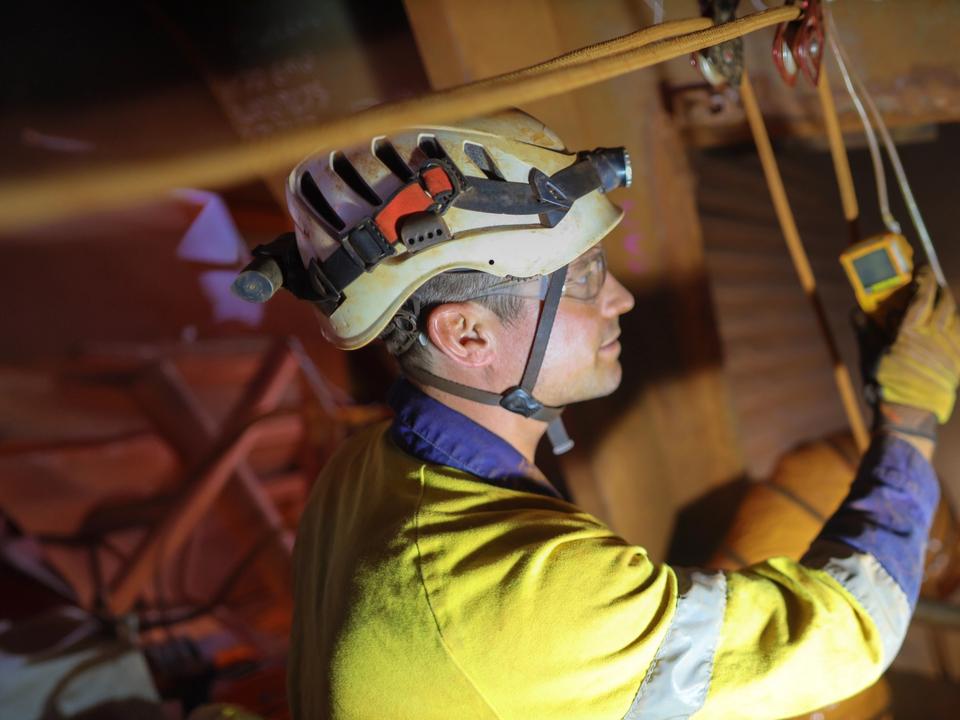
Confined Space and Gas Detection Training
Training that helps people recognise hazards, respond to changing conditions, and work safely in confined spaces.
Working in a confined space requires more than having a permit issued — conditions can shift quickly, and workers need the skills and knowledge to respond safely and quickly. IMPAC's confined space and gas detection courses develop the practical skills workers need to identify hazards, monitor atmospheric conditions, and work safely in confined spaces.

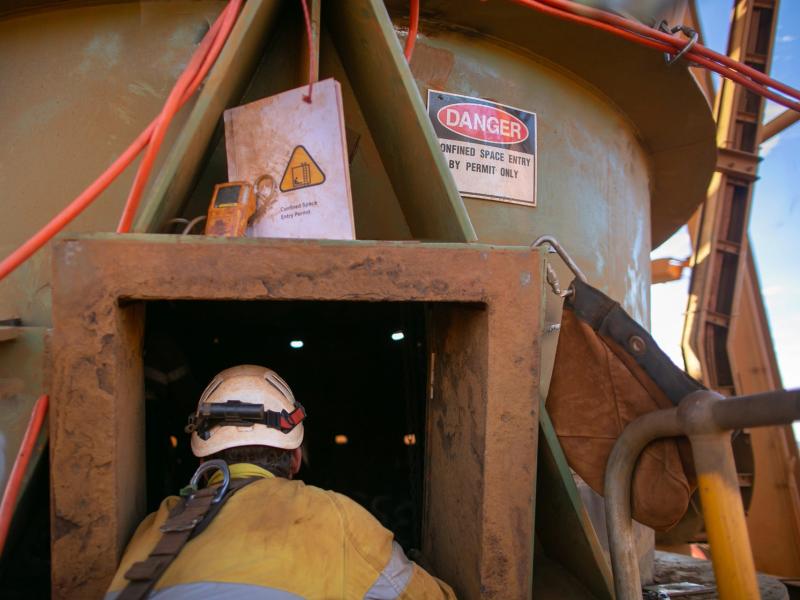
IMPAC Training
Category overview
Most people picture a tank or a tunnel — but a confined space can be a ceiling void, a pit, or a poorly ventilated room. The most serious risks in these spaces are often invisible, and they can change quickly with significant consequences.
Delivered by industry-experienced trainers, IMPAC's confined space and gas detection courses focus on building practical capability rather than simply meeting a compliance requirement. Through hands-on learning in simulated environments, learners gain skills that can be applied directly to the work they carry out every day.
Whether you are entering confined spaces, acting as a standby person, issuing permits, or supervising entries, IMPAC's courses develop the practical skills needed to identify hazards, monitor atmospheric conditions, and keep people safe.
Key Focus Areas
What this training covers
Risk Management
Recognising confined space hazards, understanding how conditions can change during entry, and applying the controls needed to support safe work.
Atmospheric Testing and Gas Detection
Selecting and operating portable gas detection equipment, conducting atmospheric monitoring, and interpreting results to determine whether conditions are safe to work in.
Roles and Responsibilities
Understanding what is required of entrants, standby persons, and supervisors before, during, and after a confined space entry.
Emergency Planning and Response
Developing emergency response plans for confined space work and responding appropriately if conditions change or an incident occurs.

Available Courses
Our Confined Space and Gas Detection courses
Working with New Zealand’s legal framework
Applicable Safety Regulations and Standards
Working in confined spaces includes understanding relevant legislation, standards, and guidance. Relevant legislation and guidance may include:
- Health and Safety at Work Act 2015 (HSWA) — The primary health and safety legislation in New Zealand, requiring PCBUs to identify and manage risks to health and safety so far as is reasonably practicable.
- Health and Safety at Work (General Risk and Workplace Management) Regulations 2016 — Regulations that include specific requirements for managing confined space risks, including atmospheric testing, permit-to-work systems, and emergency procedures.
- AS/NZS 2865:2001 — The Australian and New Zealand standard providing requirements and guidance for the safe management of confined space work, including hazard identification, atmospheric testing, permit systems, and emergency response.
- WorkSafe New Zealand Guidance — Practical guidance on risk assessments, entry controls, atmospheric monitoring, and emergency planning for confined space work.
NZQA Unit Standards
Several courses within this category include NZQA unit standards, including:
- US 3058 — Demonstrate knowledge of gas testing, and perform gas tests in an energy and chemical plant
- US 17599 — Plan a confined space entry
- US 18426 — Demonstrate knowledge of hazards associated with confined space
- US 25510 — Operate an atmospheric testing device to determine a suitable atmosphere exists to work safely
Who Should Enrol
Industries and Roles
Construction and Infrastructure
People working in construction, utilities, water treatment, and civil infrastructure where confined space entry forms part of their regular work.
Manufacturing and Processing
People working in manufacturing, petrochemical, and processing environments where confined space entry into tanks, vessels, and pipelines is required.
Workers, Entrants and Standby Persons
People who enter confined spaces or act as a standby person and need the skills and knowledge to work safely and respond if conditions change.
Supervisors, Permit Issuers and Safety Professionals
People responsible for overseeing confined space work, authorising entries, or advising on the requirements for managing confined space risks in the workplace.
FAQs
Frequently asked questions